8 posts

Marx’s Republicanism, the Paris Commune and Politics after Capitalism
Marx’s Republicanism, the Paris Commune and Politics after Capitalism

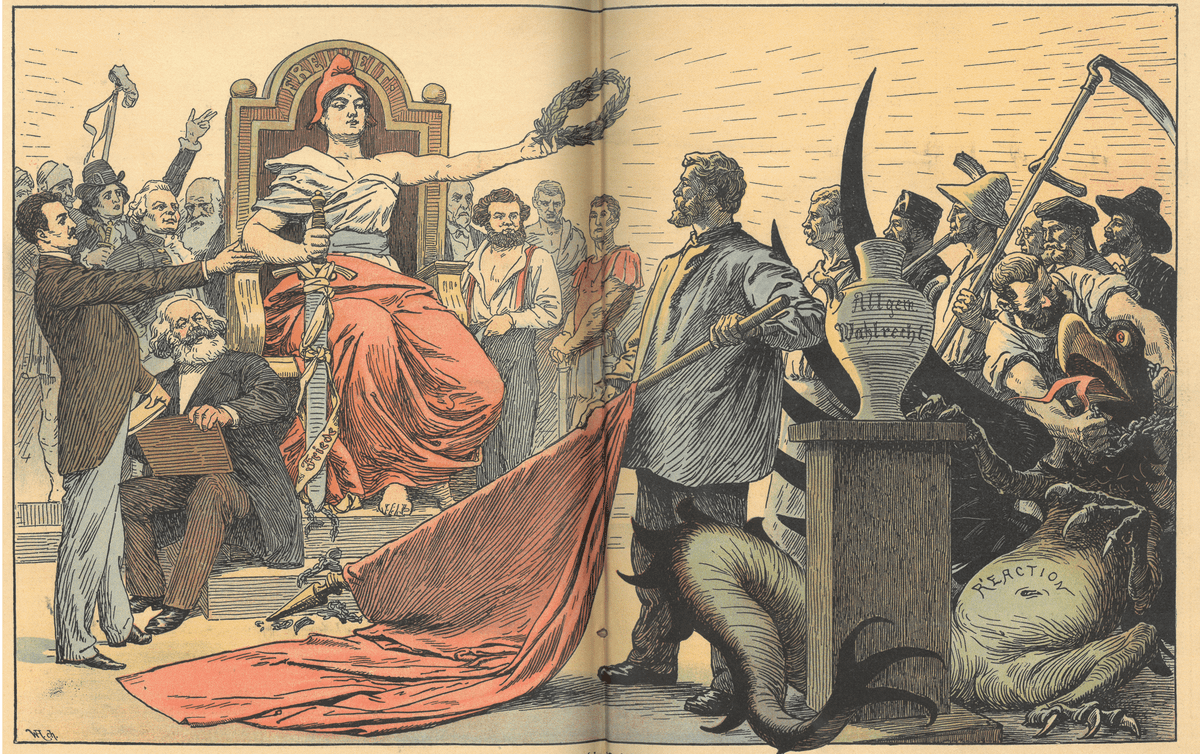
Socialists often claim that ending class conflict makes politics redundant. But Marx never held this view, Bruno Leipold argues. By tracing his political transition from republicanism to communism, Leipold shows how republican ideals shaped Marx's vision for a post-capitalist society.

The Anti-Colonial Exception: Ireland in the global Hierarchy
The Anti-Colonial Exception: Ireland in the global Hierarchy

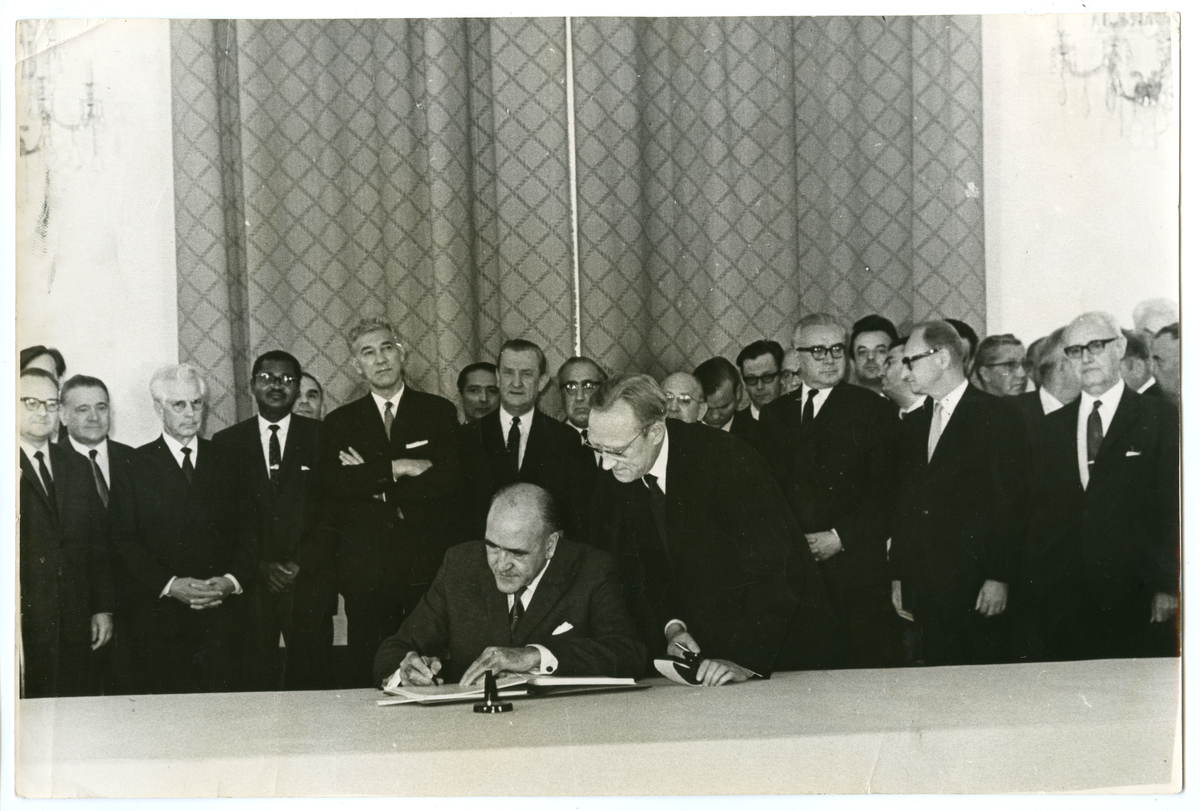
Ireland is a unique case in Western Europe – once colonised, its history of anti-imperialism aligns it more with the global south, even while it has risen into the global economic elite. Ireland now faces a choice: uphold solidarity or become a typical first-world power shaped by capital and empire.

Language, Colonisation and Decolonisation

Language, Colonisation and Decolonisation

Reclaiming the Irish language is the key to meaningful decolonisation and real self-determination, writes Ursula Ní Shionnain. Without full Irish language revival, our liberation in other spheres is incomplete.

A History of Republicanism from Pericles to Pearse

A History of Republicanism from Pericles to Pearse

From Aristotle to the Irish Proclamation, republican thought has long held tensions, Rachel Hammersley writes. Understanding its history reveals conflicts between liberty and equality, elitism and popular rule, virtue and interest, and how these shape its evolution today.

Republican Philosophy and Irish Republicanism: An Interview with Philipp Pettit
Republican Philosophy and Irish Republicanism: An Interview with Philipp Pettit

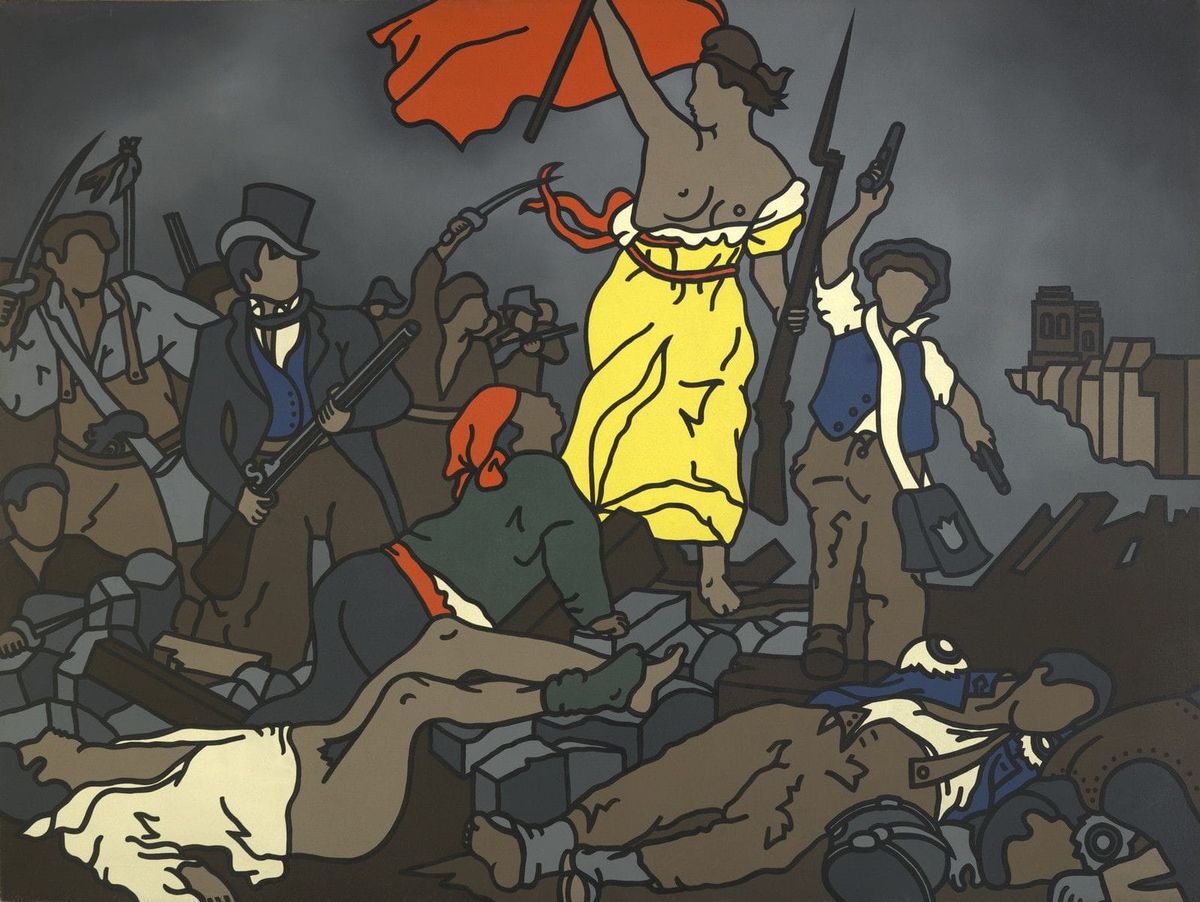
Republicanism as a political philosophy has been both friend and foe to the left. An Clogán speaks with renowned political philosopher Philip Pettit about the ideology's past, present, limits, and potential.

Yugoslavia and the Non-Aligned Movement

Yugoslavia and the Non-Aligned Movement

Under Tito, Yugoslavia helped build the Non-Aligned Movement. This history shows how small nations can pursue principled neutrality, international cooperation, and peace under international law, writes Petra Matić.

Your link has expired. Please request a new one.
Great! You've successfully signed up.
Welcome back! You've successfully signed in.
Success! You now have access to additional content.